The Allure of Ambiance
One of the most critical aspects of casino design is ambiance, which is meticulously crafted to create an inviting atmosphere that encourages guests to stay longer and spend more. The use of lighting is particularly important; dim lights combined with bright, colorful displays often create a sense of excitement and mystery. This careful balance of shadow and brightness not only highlights the gaming machines and tables but also influences how players feel while navigating the space. Many establishments also prioritize offering features such as uk casino fast withdrawal options to enhance the overall experience, ensuring that the enchanting allure of a well-lit slot machine can draw in patrons like moths to a flame, keeping them engaged for longer periods.
Additionally, the choice of colors plays a significant role in influencing emotions. Warm colors, such as reds and golds, are often used to invoke feelings of passion and wealth, reinforcing the idea of winning and instilling a sense of urgency among players. In contrast, blues and greens tend to evoke calmness and tranquility. These psychological principles are not arbitrary; they are based on extensive research into how environments affect mood and behavior. As a result, casinos are designed to use these color schemes to subtly encourage risk-taking.
Moreover, sound design cannot be overlooked in the equation. The ambient sounds of coins clinking, slot machines beeping, and faint chatter create a layered auditory experience that enhances immersion. This soundscape is carefully curated to mimic the excitement of winning while providing a comforting backdrop that adds to a guest’s overall enjoyment. By enveloping visitors in a rich sensory environment, casinos effectively lower inhibitions, encouraging patrons to gamble more freely and impulsively.
Spatial Layout and Navigation
The spatial layout of a casino is another essential element designed to optimize guest experience and spending. Casinos are typically designed without windows and clocks, creating a timeless atmosphere that encourages guests to lose track of time. This strategic choice plays on the psychology of escapism, allowing patrons to immerse themselves fully in the thrilling environment without the constraints of the outside world. By eliminating these cues, casinos foster a sense of freedom that can lead to extended gambling sessions.
Furthermore, the flow of the casino is often designed to guide guests through a carefully curated path. High-stakes games are usually located in more secluded areas, while gaming machines are placed in accessible and high-traffic zones. This layout not only maximizes visibility for game features but also enables casinos to control the movement of guests, drawing them into areas that encourage longer stays and higher bets. Strategic placement of restrooms and dining options is also intentional, often ensuring that guests must traverse the gaming floor multiple times, increasing exposure to tempting games.
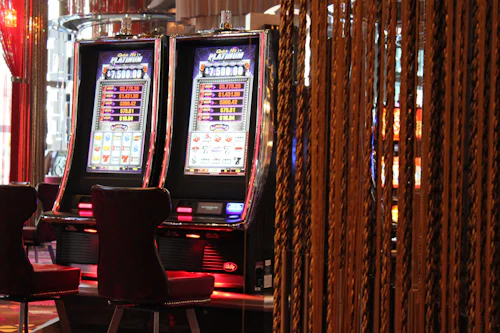
The concept of “the more you play, the more you stay” is fundamentally tied to spatial design. By placing engaging games near rest areas or food stations, casinos ensure that players remain in the vicinity of the gaming floor even during breaks. This clever manipulation of spatial dynamics translates into prolonged engagement and ultimately maximizes the time patrons spend gambling, thereby increasing potential profits for the establishment.
Psychological Pricing Strategies
Pricing strategies in casinos are carefully crafted to exploit psychological biases that influence spending. The use of chips instead of cash is one effective tactic; patrons may feel less pain while spending chips, as they perceive them as “play money” rather than actual currency. This abstraction leads to a lack of awareness regarding the total money being spent, making it easier for players to gamble recklessly. Chip denominations are also intricately designed to cater to different levels of players, ensuring that everyone feels included in the action without the intimidation of high-stakes gambling.
In addition, bonus systems and loyalty programs play a crucial role in enticing players. These schemes use psychological principles to reward frequent play, feeding into the human desire for recognition and achievement. Players are drawn to the idea of accruing points and rewards, which can lead to higher spending in hopes of unlocking greater benefits. This not only enhances customer loyalty but also fosters a sense of belonging within the casino community, where players feel valued and appreciated.
Moreover, promotions and time-limited offers are designed to create a sense of urgency, pushing players toward immediate action. The fear of missing out (FOMO) is a powerful motivator that can drive individuals to make impulsive decisions, often resulting in increased betting. By employing these strategies, casinos capitalize on behavioral psychology, ensuring that patrons are not just participants but active contributors to their own enhanced experiences.
The Role of Social Interaction
Social interaction within casinos is a key aspect that enhances the overall experience and affects gambling behavior. Games designed for multiple players, such as poker and blackjack, create an environment that fosters camaraderie and competition. These social elements encourage players to engage, share strategies, and cheer each other on, adding layers of enjoyment that one wouldn’t find in solitary gambling experiences. The communal atmosphere not only enhances entertainment value but also increases the likelihood of players coming back for more.

Additionally, the presence of staff and dealers contributes significantly to the social experience. Friendly interactions and engaging personalities can elevate the mood and comfort level of players, encouraging them to stay longer. Dealers who are skilled at creating rapport can influence betting behavior, as players tend to feel a connection and thus may be more inclined to take risks. This dynamic emphasizes the idea that casinos are not merely places for gambling, but also social hubs that foster relationships.
Furthermore, the psychological impact of shared experiences can lead to a heightened sense of excitement and heightened stakes during games. When surrounded by others celebrating or reacting to wins and losses, individuals may feel more motivated to engage, further enhancing their overall experience. In this way, social interactions play a vital role in the psychological fabric of casino design, reminding patrons that they are part of a larger community of thrill-seekers.
Conclusion and Insights on Casino Design Psychology
Understanding the psychology behind casino design reveals the intricacies that go beyond mere aesthetics. By carefully crafting ambiance, spatial layouts, pricing strategies, and social interactions, casinos create environments that draw patrons in and keep them engaged. These design principles are grounded in psychological research and behavioral economics, ensuring that every element serves a specific purpose in enhancing the gambling experience. Whether through lighting, sound, layout, or social dynamics, every aspect is meticulously planned to influence behavior and spending.
As the casino industry continues to evolve, so too will the strategies used to entice visitors. By analyzing the psychological factors that contribute to casino success, stakeholders can refine their approaches and enhance the overall guest experience. This ongoing evolution reflects broader trends in consumer psychology and highlights the significance of creating immersive experiences that address the needs and desires of clientele.
For casinos aiming to thrive in a competitive landscape, leveraging insights from psychology is essential. By prioritizing the design elements that influence behavior, casinos can create environments that not only attract patrons but also encourage them to return. Ultimately, a deep understanding of the psychology behind casino design can lead to more successful business strategies and a more fulfilling experience for every visitor.