The Nature of Luck in Gambling
Luck is an inherent part of any gambling activity, providing the unpredictable element that both entices players and complicates their strategies. In games such as roulette, dice, or slot machines, luck is the driving force behind most outcomes. Players often find themselves in exhilarating positions where one spin or roll can lead to a significant win or a complete loss, especially when exploring online casino sister sites that offer varied experiences. This inherent unpredictability keeps the experience engaging and thrilling, making luck not just a factor but the essence of gambling.
Beyond games of chance, even skill-based games at casinos, like poker, rely heavily on luck. Players may employ advanced strategies and techniques to improve their odds, but the cards they draw and the actions of their opponents can sway the outcome dramatically. This duality of skill and luck creates an intricate dance; a player may feel in control, yet the luck of the draw can render their skills moot in an instant. It’s this majestic interplay that captures the excitement of casino gaming.
Ultimately, luck acts as the great equalizer in the world of casinos. It levels the playing field, allowing novices to best seasoned players in moments of serendipity. While consistent strategies and sound judgment play a vital role, luck remains the unpredictable variable that can influence results significantly. This blend of uncertainty and excitement is precisely what keeps players returning to casinos time and again, hoping that fortune will favor them in their next venture.
The Psychological Impact of Luck on Players
The psychological aspect of luck cannot be overstated when discussing casino success. The belief in luck can influence a player’s behavior and decision-making process dramatically. For instance, some players may hold superstitions or charms that they believe enhance their luck. This belief in the power of luck can boost a player’s confidence, improving their enjoyment of the game and, often, their performance. When players feel lucky, they may take more risks, which can lead to bigger rewards—or bigger losses.
The thrill of winning, even based on luck, creates a euphoric feedback loop for players. Winning a sizable jackpot can produce an adrenaline rush that fuels further gambling and spending. Conversely, losing streaks can lead to frustration and the misguided belief that one can outsmart the odds. This psychological roller coaster highlights the importance of luck in not only influencing individual game results but also in shaping the overall gambling experience and the consequent behavior of players.
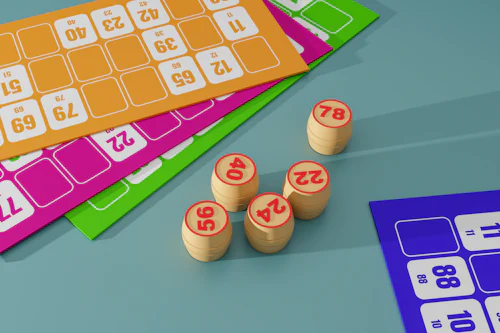
Moreover, casinos often exploit the psychological impacts of luck in their environments. The design of casino floors, the sounds of cheering and clinking coins, and the celebratory atmosphere are all carefully crafted to enhance the notion of luck. Players are encouraged to believe in their luck, hoping that their next wager will bring them fortune. This psychological manipulation deepens the relationship between luck and gambling success, ensuring that even the odds are favorable to the house in the long run, as players chase those fleeting moments of serendipity.
Luck and Game Design
The role of luck is intrinsic to the very design of casino games. Game developers build games with elements of chance that ensure players experience unpredictability with each play session. For example, slot machines are designed to operate on random number generators, ensuring that every spin is independent of the last. This randomness is crucial for maintaining the illusion of luck, where players feel that they have a chance, however remote, at winning big. The excitement of hitting a progressive jackpot is a vital component that keeps players engaged.
Additionally, games like baccarat or blackjack highlight the role of luck by introducing cards into the mix, where players cannot see the outcome until the moment it unfolds. Even in games that rely heavily on strategy and skill, like poker, the randomness of card dealing introduces an undeniable element of luck that can alter the fate of the game. Players with superior skills can improve their odds, but they ultimately cannot control the cards they are dealt—a mechanic that keeps the game alive with potential at every turn.
Moreover, game design continues to evolve alongside the understanding of human psychology and the allure of luck. Developers now create games that allow players to experience heightened feelings of luck through bonus rounds, multipliers, and other engaging mechanics. The integration of social elements, where players can share their ‘lucky moments’ through social media, showcases how luck continues to be woven into the fabric of casino gaming, influencing both design and player engagement.
The Impact of Luck on Gambling Strategies
While luck is a vital element in the outcome of casino games, it significantly interacts with different gambling strategies employed by players. Many gamblers develop their strategies under the assumption that they can control or influence their luck. For example, some players believe in the concept of “chasing losses,” where they increase their bets in an attempt to recover previous losses. This strategy is often rooted in the hope that luck will turn in their favor, but it can lead to even greater losses if not managed wisely.

Another common strategy revolves around setting limits based on perceived luck factors. Gamblers often create systems of betting, such as the Martingale strategy, which relies on the idea that luck will eventually favor them after successive losses. These strategies showcase how luck can inspire confidence in players, leading them to implement methods that they believe will enhance their odds of winning. However, it must be emphasized that these strategies do not alter the inherent randomness of casino games, and luck will ultimately dictate the outcomes.
Furthermore, the interplay between luck and strategy can create a double-edged sword for players. While calculated strategy can optimize the use of luck, reliance on luck alone can lead to reckless behavior and impulsive gambling. Therefore, understanding and managing this relationship is crucial for players seeking long-term success in casinos. It’s about recognizing the role luck plays in the grand scheme and approaching gambling with a balanced mindset.
Exploring More About Casino Success
As players delve deeper into the casino experience, the significance of luck becomes clearer. Beyond strategies and psychological aspects, it’s important to appreciate the role of knowing when to walk away. Acknowledging that luck can be fleeting and that outcomes are unpredictable is essential for crafting a successful gambling journey. Casino success isn’t solely about winning big; it’s about finding enjoyment in the experience and maintaining a healthy relationship with luck and risk.
For those who want to explore more about the complex relationship between luck and gambling, numerous resources are available that provide insights, strategies, and discussions. Engaging with communities of gamblers can also shed light on personal experiences and stories that showcase how luck has played a pivotal role in their journeys. Learning from others can inspire and inform one’s own approach to gambling.
In conclusion, the role of luck in casino success is multifaceted and deeply woven into the fabric of the gambling experience. It fuels excitement, influences strategy, and shapes the psychological landscape of players. As individuals navigate the thrilling world of casinos, understanding the interplay between luck and skill can enhance their experiences and ultimately lead to a more rewarding engagement with gambling.